Electromobility represents a transformative shift in transportation, emphasizing the use of electric vehicles (EVs) powered by electricity rather than traditional fossil fuels. As the demand for more sustainable modes of transport grows, electromobility has gained significant attention for its potential in reducing carbon footprints and advancing technological innovations in automotive industries globally.
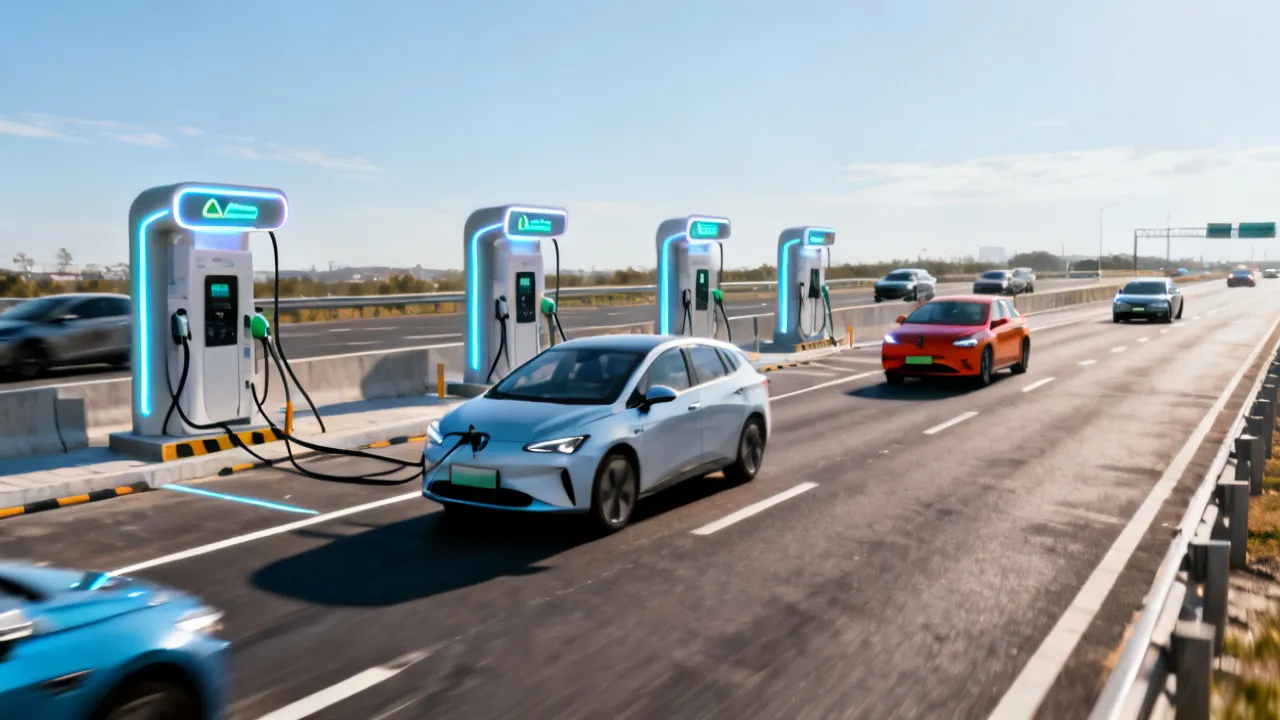
The concept of electromobility, often explored through platforms such as Electromobility Wikipedia, marks a pivotal moment in the evolution of transportation. It embodies a shift from the conventional use of fossil fuels to the adoption of electric powertrains, primarily through electric vehicles (EVs). This transition is more than just an environmental imperative; it's a reimagining of how we interact with mobility, infrastructure, and energy economies. With the global focus on sustainable practices and reducing carbon footprints, electromobility symbolizes a crucial advance toward a cleaner, more efficient future. It encompasses not only personal passenger vehicles but a wider array of transport solutions, including public transit systems, freight services, and innovative micro-mobility options such as bikes and scooters.
Several factors have catalyzed the rise of electromobility. Environmental concerns, particularly climate change and the need for sustainable energy solutions, have driven governments and industry leaders to invest in greener technologies. The catastrophic impact of traditional fossil fuels on air quality, such as smog and respiratory illnesses, has led to increased public awareness and demand for alternatives. Simultaneously, advancements in battery technology, coupled with declining costs, have made EVs more accessible. Electric vehicles are becoming increasingly affordable for consumers, thanks to innovations in lithium-ion batteries which have increased efficiency and reduced costs significantly in recent years.
Furthermore, consumer interest in reducing their carbon footprint and the allure of low maintenance costs contribute significantly to this shift. Many consumers today prioritize sustainability in their purchasing decisions. EVs often come with government incentives which make them even more attractive to potential buyers. The ability to charge a vehicle at home and the independence from fluctuating fuel prices also adds to their appeal. Additionally, innovations in technology have led to the development of more sophisticated charging options, such as fast chargers, that allow for a rapid refill of vehicle batteries, further enhancing the consumer experience.
Despite its benefits, the electromobility sector faces notable challenges. A comprehensive look at sources like Electromobility Wikipedia reveals hurdles including infrastructure deficits, range anxiety, and the initial cost of EV ownership. To mitigate these challenges, substantial investments are required in charging infrastructure, improved battery technologies, and supportive policy frameworks. Additionally, issues surrounding power supply and grid stability must be addressed as the demand for electricity from electric vehicles grows. This requires a commitment to enhancing renewable energy sources that power these vehicles, ensuring they truly remain environmentally friendly.
Range anxiety remains a significant psychological barrier for potential electric vehicle owners - the fear of running out of charge before being able to recharge. As EV range improves, this concern is gradually diminishing, but ensuring widespread availability of charging stations across urban and rural locations is a priority for effective transition to electromobility. Reports indicate that charging station availability significantly influences purchasing decisions for prospective EV buyers, highlighting an urgent need for increased investment in charging infrastructure. Furthermore, while the initial purchase price of electric vehicles can be higher compared to traditional vehicles, potential savings on fuel and maintenance can offset this cost over time.
From an economic perspective, the rise of electromobility presents both opportunities and challenges. The automotive industry is undergoing a massive restructuring, affecting jobs and requiring new skill sets. Electric vehicle manufacturing emphasizes software, battery management, and new logistical chains, demanding a retrained workforce. Traditional automotive skills may not necessarily translate directly to the needs of those producing electric vehicles, which is leading to both a gap in employment opportunities and a demand for retraining programs to equip workers with new skills. On the brighter side, there is potential for job creation in sectors such as battery production, renewable energy infrastructure, and green vehicle services.
Moreover, the shift towards electromobility may provide an economic boost by elevating local economies tied to renewable energy innovations. For instance, countries investing in green technologies can harness renewable resources that create energy jobs while decreasing dependency on oil imports. This also has the dual benefit of promoting energy security, making nations less vulnerable to geopolitical struggles over fossil fuels, and advancing national interests in developing technological leadership in automotive innovations.
Furthermore, electrifying public transportation systems can contribute to reducing urban congestion, thereby enhancing productivity and driving economic growth. The interplay between job creation in new technologies and reductions in environmental remediation costs associated with fossil fuel pollution presents an optimistic outlook for economies transitioning toward an electrified future. This dual focus on employment and environmental impact positions electrification not just as a necessity, but as a driver of sustainable economic growth in the 21st century.
Across the globe, countries are adopting electromobility at varying paces. Europe and China are leading the charge, with the latter becoming the world's largest EV market. China's strategic efforts, exemplified by policies promoting investment and innovation, have resulted in a proliferation of domestic EV manufacturers and robust charging infrastructure. Government incentives, such as subsidies for EV purchases and investments in charging networks, have successfully integrated electric vehicles into the fabric of urban transport.
In contrast, regions such as North America are experiencing slower adoption rates, attributed to a lack of comprehensive charging infrastructure and consumer perception of electric vehicles. However, initiatives in recent years among various U.S. states to support electric vehicle purchase incentives and expand charging networks reflect a growing recognition of electromobility's importance to sustainable transport.
Innovations are spearheaded by companies investing heavily in research and development to explore autonomous capabilities, enhanced range, and alternative energy sources like hydrogen fuel cells. The continued development of solid-state batteries presents an exciting opportunity to overcome one of the most significant limitations of current battery technologies — energy density and safety. As advancements continue, vehicle manufacturers are moving toward promising sustainable materials that could revolutionize battery technology and potentially lower costs and environmental impact.
Moreover, collaborations between tech firms and traditional automotive companies are emerging, enabling advancements in vehicle automation and connectivity. The intersection of electric mobility and smart technology is particularly promising, with the advent of connected cars and their integration into broader smart city initiatives reshaping how urban mobility is conceptualized. These initiatives can reduce congestion and emissions while augmenting urban design to accommodate the electrified transport landscape effectively.
The integration of electromobility into the broader transportation ecosystem has significant implications. It spans across public transport systems, with an increasing number of cities adopting electric buses and establishing low-emission zones. This transition promotes cleaner air in urban areas while also enhancing the efficiency of mass transit systems, making them more attractive to commuters. Cities adopting electric buses are not just decreasing harmful emissions but are also realizing the benefits of reduced operational costs associated with lower fuel and maintenance expenses.
Additionally, private vehicles, logistics and freight services, and even micro-mobility solutions like e-scooters and bikes are all adjusting to accommodate electrification. The introduction of electric bikes and scooters serves particularly well in congested urban areas, providing flexible, low-emission transport options to complement public transit. When integrated with bike-share programs and pedestrian pathways, these electric alternatives enhance urban mobility and accessibility.
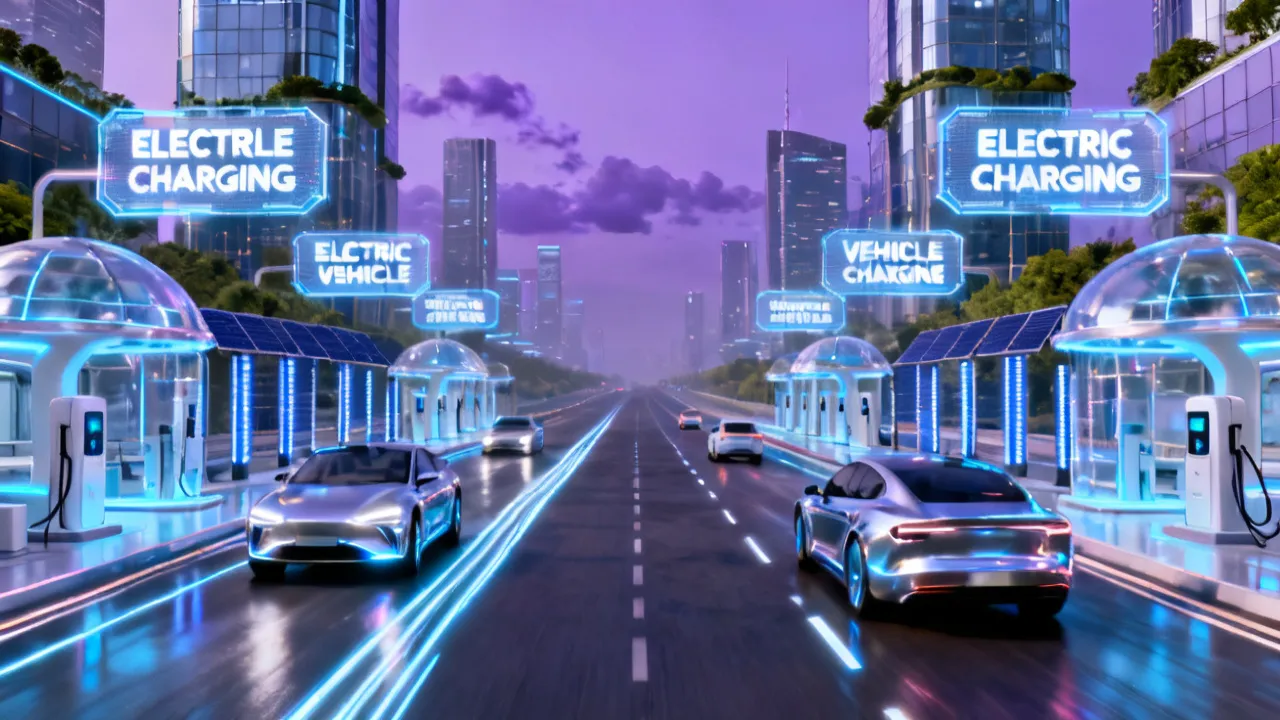
The link between electromobility and renewable energy is vital to this integration. Solar and wind energy can directly charge EVs, leading to a sustainable energy cycle. As the world shifts towards decentralizing energy production, households equipped with solar panels can charge their EVs independently, thus reducing overall energy load from fossil-fuel-based grids. Consequently, we witness a burgeoning interest in vehicle-to-grid technologies, which allow EVs to feed energy back into the grid and act as temporary energy storage units during peak demand periods. This capability could revolutionize grid management and energy distribution.
| Advantage | Challenge |
|---|---|
| Zero-emission driving reduces pollution. | Limited charging infrastructure in rural areas. |
| Lower maintenance costs over vehicle lifetime. | Higher upfront cost compared to conventional vehicles. |
| Technological advancement and innovation. | Battery disposal and recycling challenges. |
| Potential for energy independence. | Initial reliance on fossil fuel for energy production in certain regions. |
| Enhances urban mobility solutions. | Integration with existing transport systems and policies. |
Electromobility significantly reduces greenhouse gas emissions by utilizing electricity instead of fossil fuels, making transportation more environmentally friendly and promoting better air quality.
It is leading to a paradigm shift where traditional automotive companies are investing in electric technologies, altering production processes and supply chains, while also driving innovation in energy storage, battery technology, and smart vehicle components.
Ongoing research focuses on improving battery life, increasing energy density, and expanding charging networks to overcome current limitations, including advancements in solid-state battery technology and enhanced fast-charging capabilities.
China and Europe are at the forefront, with supportive policies, robust investment in infrastructure, and public awareness campaigns driving the rapid adoption and acceptance of EVs.
Governments support electromobility through subsidies, tax incentives, and policies aimed at developing infrastructure and encouraging EV adoption. They also play a role in mandating emissions reductions from automakers and investing in research and development to support green technologies.
As the transportation sector accounts for a significant portion of global greenhouse gas emissions, transitioning to electric vehicles and promoting renewable energy sources can dramatically reduce these emissions. Effective policies and market incentives can catalyze this shift, leading to a more sustainable future.
In conclusion, while electromobility is rapidly transforming the transportation landscape, its potential can only be fully realized through strategic investments in technology, infrastructure, and consumer awareness. With coordinated efforts between private sectors and policymakers, electromobility may soon become the standard mode of transportation. The change toward electrified mobility is not just about vehicles but entails an entire shift in how cities are designed, how energy is consumed, and how societies value connectivity and sustainability. By addressing existing challenges, leveraging technological advancements, and fostering collaboration, we can enhance the journey toward a resilient and cleaner mobility future.
Rose Rocket: Expert Buying, Care, and Sourcing Guide

Rose Rocket: Industry Guidance on Selection and Use

Rose Rocket: An Expert Guide to Choosing Wisely

Rose Rocket Buyer’s Guide and Expert Analysis

Rose Rocket: Expert Guide to Selection and Care

Rose Rocket: Expert Guide to Sourcing and Buying

Rose Rocket: Supplier, Pricing, and Selection Guide

Rose Rocket: Industry Guidance for Smart Selection

Rose Rocket: Care, Sourcing, and Value Assessment

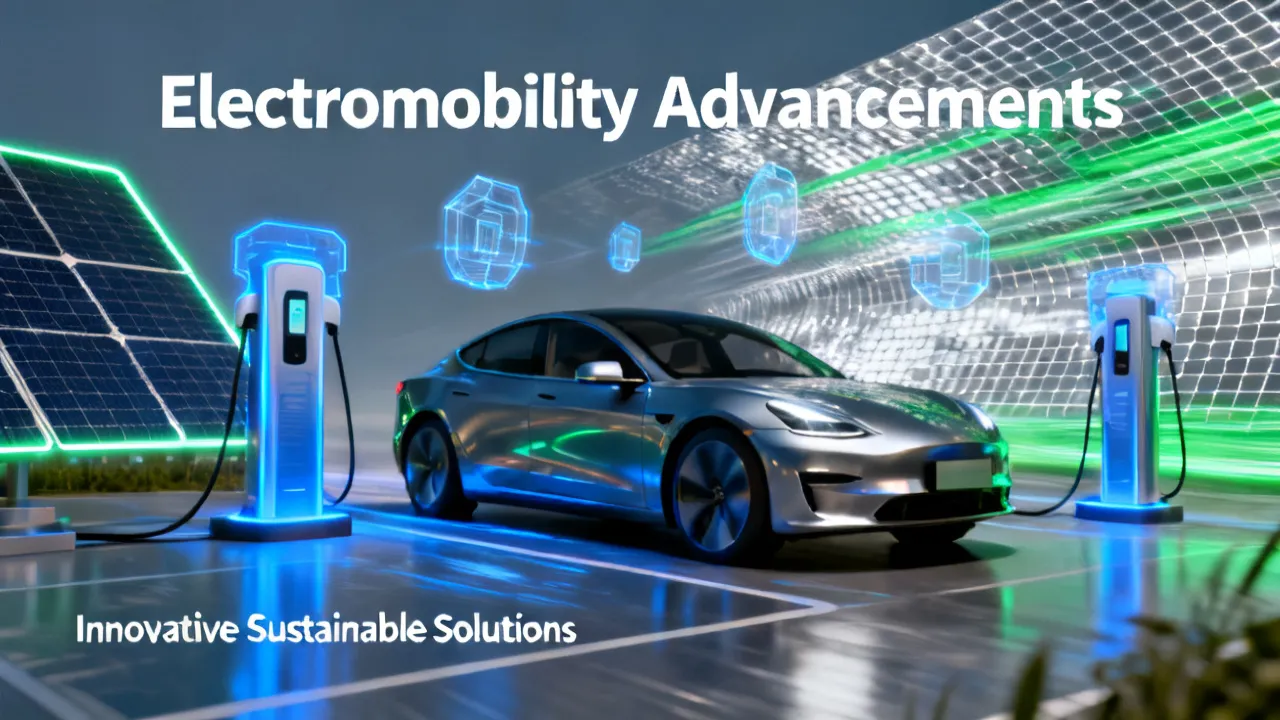
Understanding Electromobility Enhancements
Electromobility, as explored through Electromobility Wikipedia, represents the shift towards using electric power in transportation systems, featuring electric vehicles (EVs) and supporting infrastructure. The evolution of electromobility includes a focus on sustainability, technological progress, and its implications for the future of transport. This article delves into the nuances and significance of electromobility in today's world.
Understanding Electromobility Concepts
Electromobility refers to the use of electric-powered vehicles, which have become a cornerstone of modern transportation solutions. With its potential to significantly reduce carbon emissions and reliance on fossil fuels, electromobility is increasingly capturing public and policy interest. This article provides an in-depth analysis of electromobility, its impact on the transportation sector, and key considerations.
The Rise of Electromobility
Electromobility is transforming transportation by encouraging the shift from traditional vehicles to electrically powered ones. This shift is driven by growing environmental concerns and advancements in electric vehicle technology. Fundamentally linked with the information and resources available on Wikipedia, electromobility represents a pivot towards greener energy solutions in the transportation sector.
Understanding Electromobility's Impact
Electromobility Wikipedia offers a comprehensive examination of the shift from traditional transportation means to electric-powered solutions. As cities and industries worldwide embrace sustainable practices, electromobility emerges as a key player in reducing carbon emissions, fostering innovation, and redefining the future of transportation systems.
Unveiling Electromobility's Impact and Insights
Electromobility represents a transformative shift in transportation, emphasizing the use of electric vehicles (EVs) powered by electricity rather than traditional fossil fuels. As the demand for more sustainable modes of transport grows, electromobility has gained significant attention for its potential in reducing carbon footprints and advancing technological innovations in automotive industries globally.

Understanding Electromobility: A Comprehensive Guide
This article delves into the world of electromobility, a salient trend in contemporary transportation aimed at reducing greenhouse gas emissions. Electromobility refers to the use of electric vehicles (EVs) and the associated infrastructure, explaining its rising significance. By exploring its features and challenges, this guide offers an in-depth understanding of electromobility’s potential impact on global travel dynamics.